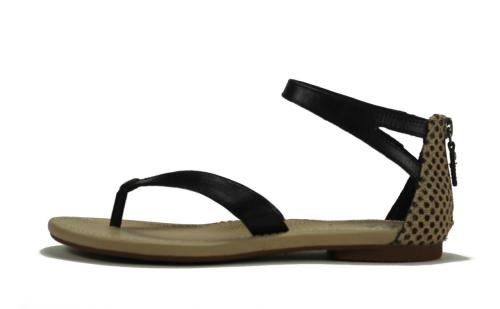
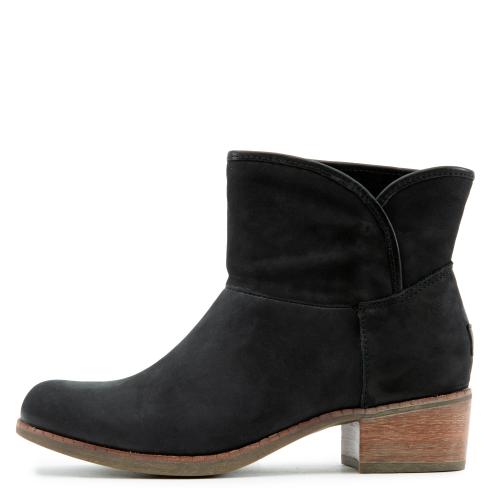
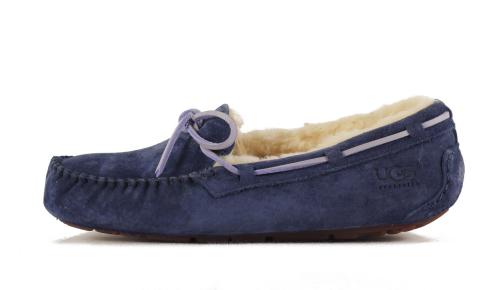
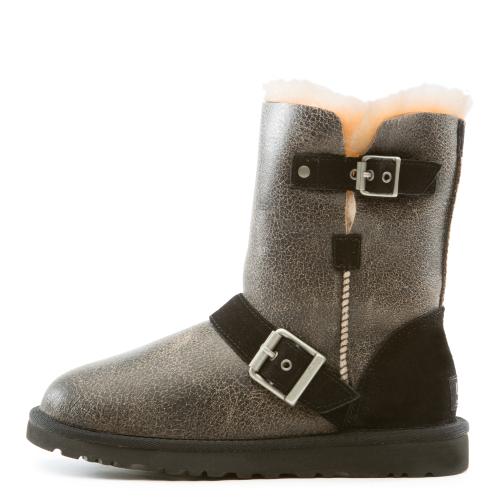
Explore UGG footwear shaped by relaxed California style and the brand's distinctive use of soft, warm materials. Discover iconic boots, casual silhouettes and easygoing sandals suited to urban wardrobes.
Popularity
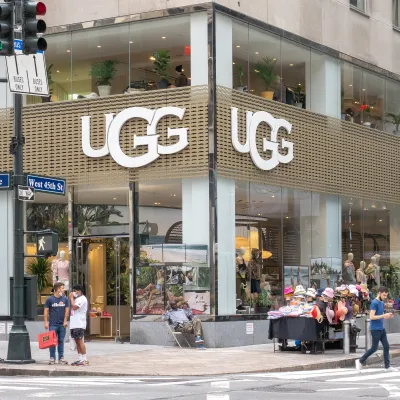
UGG was founded in Southern California in 1978 by Australian surfer Brian Smith. The brand grew around sheepskin footwear that suited a relaxed coastal lifestyle, eventually becoming widely recognized for its soft lining and distinctive shape. Deckers Brands acquired UGG in 1995 and expanded it into an international lifestyle label. Although its roots are closely associated with surf culture and casual comfort, UGG has since become a familiar presence in city wardrobes.
The Classic boot is UGG's defining design. Its rounded profile, visible seams and plush sheepskin construction make it immediately recognizable. The brand offers variations in different shaft heights, soles, colors and finishes while retaining the uncomplicated character of the original. UGG also produces platform boots, weather-ready options, casual shoes, slippers and sandals. These silhouettes work naturally with leggings, denim, tracksuits, oversized layers and minimalist everyday clothing.
Comfort is central to UGG's appeal. Shoppers often choose the brand for soft interiors, relaxed fits and footwear that is easy to combine with casual outfits. The broad choice of familiar and updated silhouettes also helps customers find options for changing seasons. Boots provide the brand's most recognizable look, while sandals and casual footwear offer lighter alternatives for laid-back styling.
UGG boots have moved repeatedly between practical cold-weather wear, celebrity-led styling and street fashion. They became especially visible in casual looks during the 2000s and now fit naturally within renewed Y2K fashion. Chunkier soles and platform proportions have also given the brand a place in contemporary streetwear, where comfort-focused footwear is commonly paired with wide-leg trousers, athleisure and oversized outerwear.
UGG remains relevant by balancing recognizable heritage products with updated proportions, seasonal colors and fashion collaborations. Its boots continue to anchor autumn and winter outfits, while sandals and casual styles extend the comfort-led identity into warmer weather. For shoppers building an urban casual wardrobe, UGG offers distinctive footwear that can shift between nostalgic, minimalist and relaxed street-style combinations.