Explore Champion, an American sportswear label known for Reverse Weave sweatshirts, graphic T-shirts, athletic shorts and its iconic C logo.
Popularity
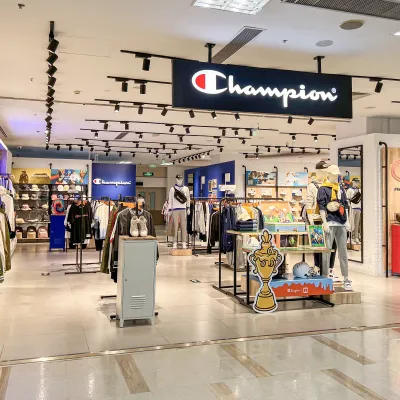
Champion traces its history to 1919, when the Feinbloom brothers established the Knickerbocker Knitting Company in Rochester, New York. The business developed practical athletic clothing for teams and colleges before adopting the Champion name. Its long association with training gear, uniforms and collegiate apparel helped establish a strong sportswear identity. Reverse Weave, a construction designed to reduce vertical shrinkage, became one of the brand’s most recognisable innovations and remains closely linked with its heavyweight sweatshirts.
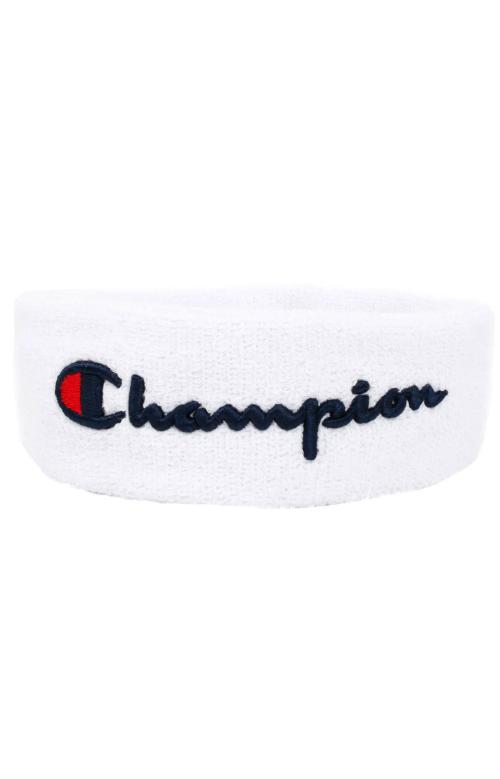
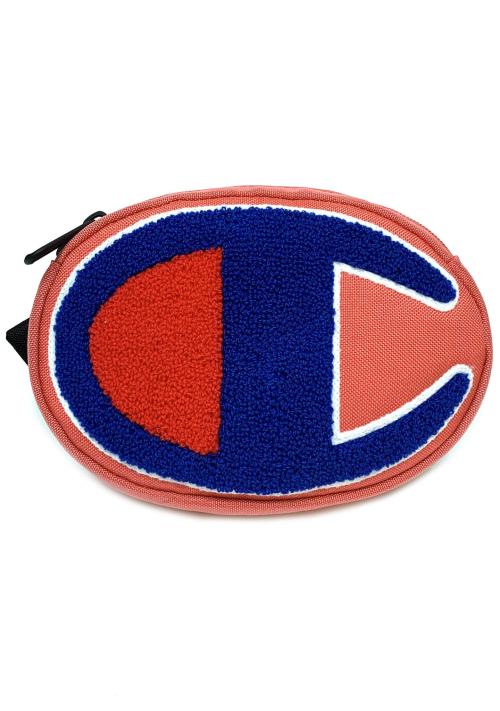
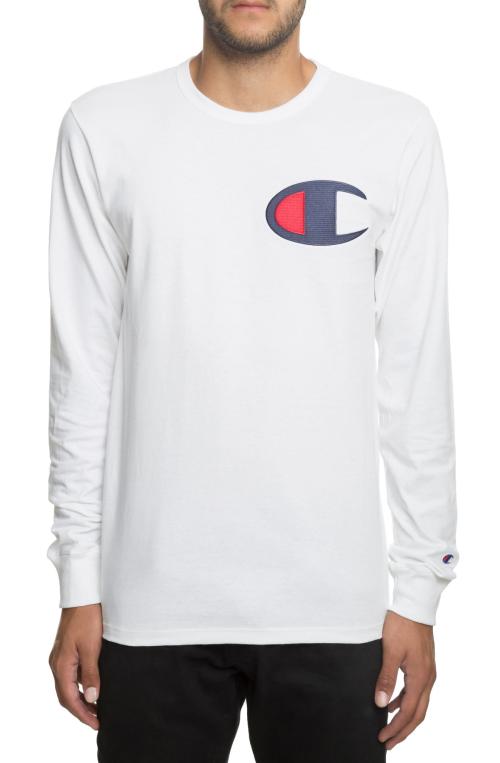
Champion combines classic athletic design with relaxed urban styling. Signature details include the embroidered C logo, ribbed trims, collegiate lettering, colour blocking and comfortable jersey or fleece fabrics. Fits range from straightforward sportswear cuts to roomy silhouettes suited to oversized fashion. Although many pieces begin with performance-inspired foundations, their simple shapes make them easy to wear with denim, cargo trousers, trainers and layered streetwear outfits.
Shoppers often turn to Champion for familiar branding, wearable colours and casual pieces that work beyond the gym. The label balances heritage appeal with accessible everyday design. Reverse Weave garments are especially popular with buyers who prefer substantial fleece and structured sweatshirts, while lighter basics offer uncomplicated options for warm weather, exercise or relaxed daily dressing.
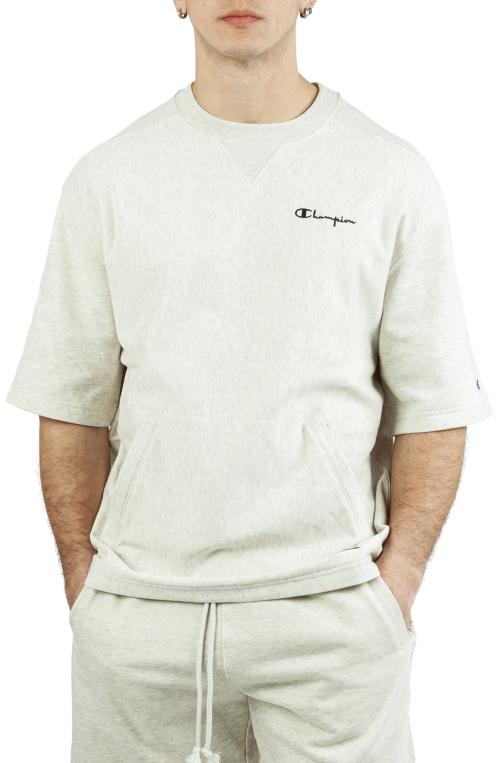
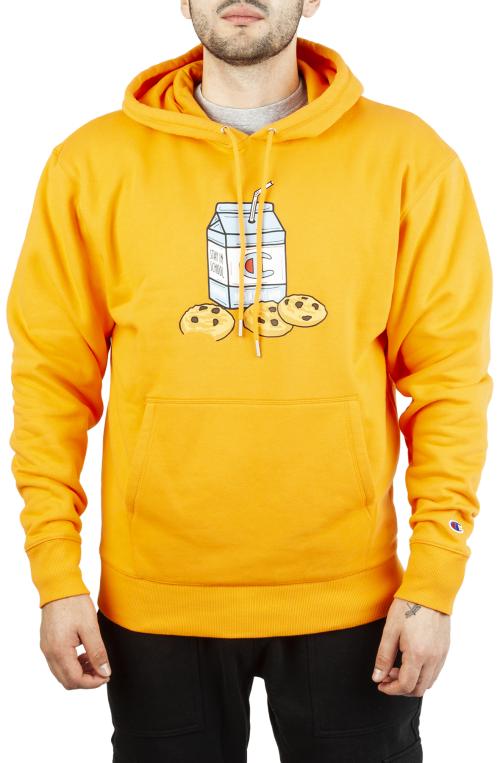
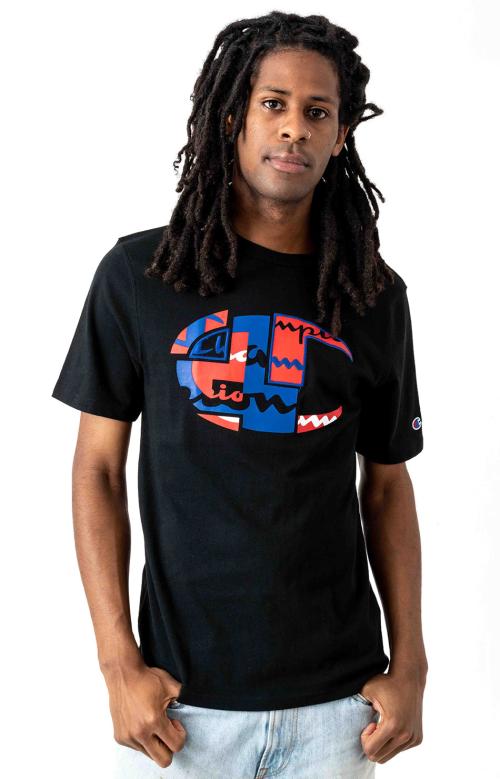
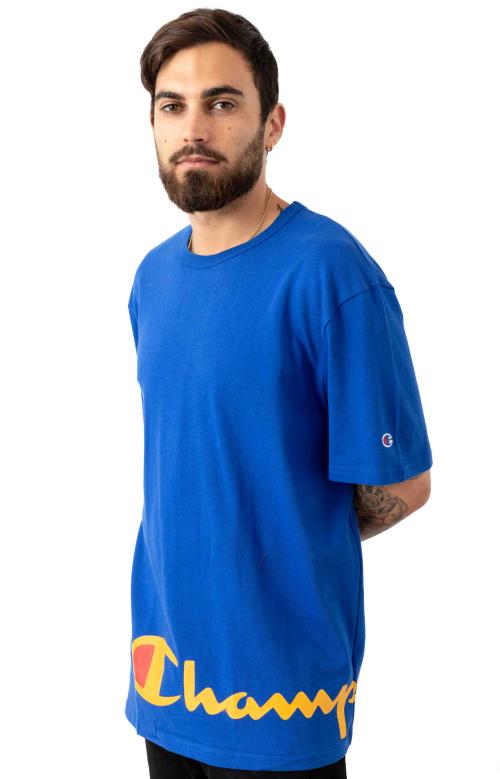
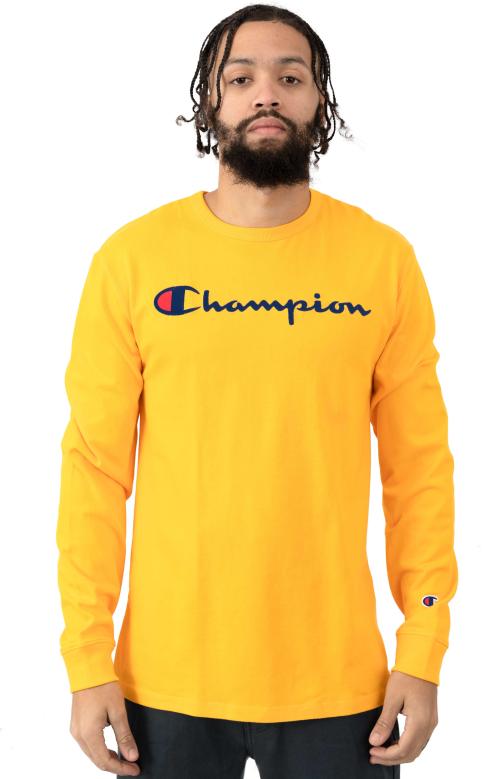
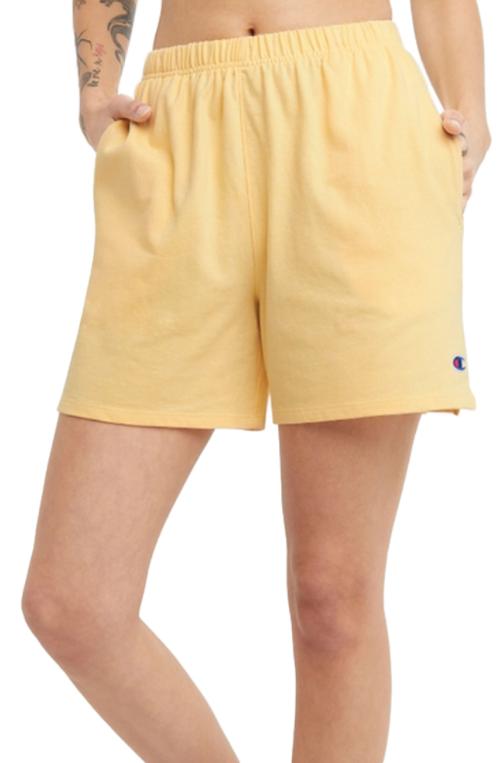
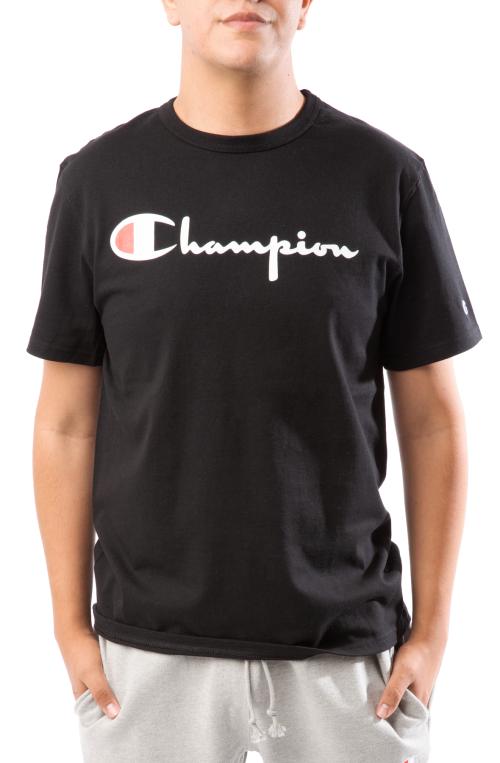
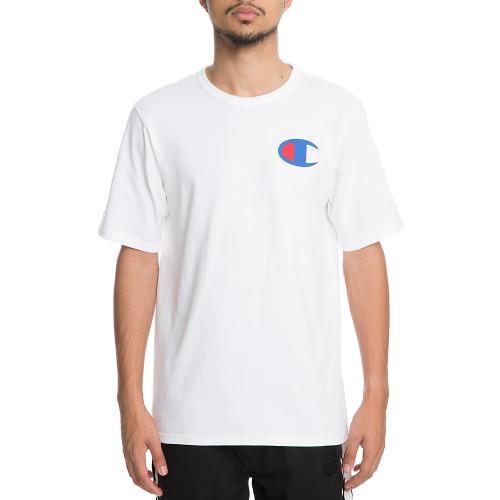
T-shirts are central to Champion’s range, from small-logo basics to bolder graphic and script designs. Sweatshirts and hoodies provide a classic way to wear the brand’s athletic heritage, particularly in fleece and Reverse Weave constructions. Shorts complete the casual sportswear selection, pairing naturally with Champion tees, crewnecks and sneakers for coordinated urban looks.
Champion’s journey from team apparel to streetwear staple reflects the close relationship between sport, music, campus style and urban fashion. Vintage Champion sweatshirts and logo pieces have remained relevant across hip-hop, skatewear and 1990s-inspired wardrobes. Collaborations with fashion labels and retailers have also placed familiar Champion shapes in new design contexts without removing their sporting character.
Champion remains relevant through logo-led essentials, heritage reissues, seasonal colour updates and collaborations. Its T-shirts, sweatshirts and shorts suit shoppers building athleisure, streetwear or minimalist urban outfits. The combination of recognisable design and adaptable styling continues to give the brand a visible place in contemporary casualwear.