PUMA brand history

PUMA was founded in 1948 by Rudolf Dassler in Herzogenaurach, Germany. The company developed its reputation through performance footwear and close ties to competitive sport, particularly football and athletics. Over time, its athletic identity expanded into lifestyle clothing and sneakers, giving the brand a lasting place in both sportswear and urban fashion.

Signature PUMA style

PUMA designs are often recognised by the Formstrip, leaping cat logo and streamlined sports silhouettes. The brand mixes practical performance details with bold colour blocking, retro references and clean everyday basics. Classic low-profile sneakers, track-inspired clothing and logo T-shirts make its collections easy to combine with streetwear, athleisure and casual wardrobes.

Why shoppers choose PUMA

Shoppers often turn to PUMA for a balance of athletic heritage, accessible styling and versatile design. Many pieces can move naturally between training, travel and daily wear. The brand also offers options ranging from understated monochrome staples to more expressive colours and collaborative designs, making it relevant to different tastes and age groups.

Popular product categories

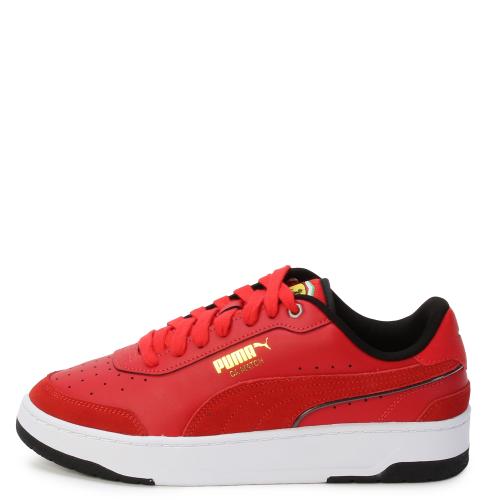
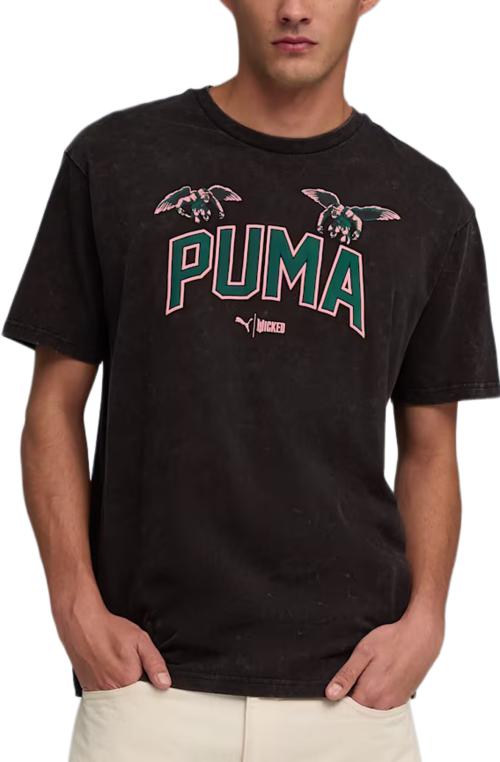
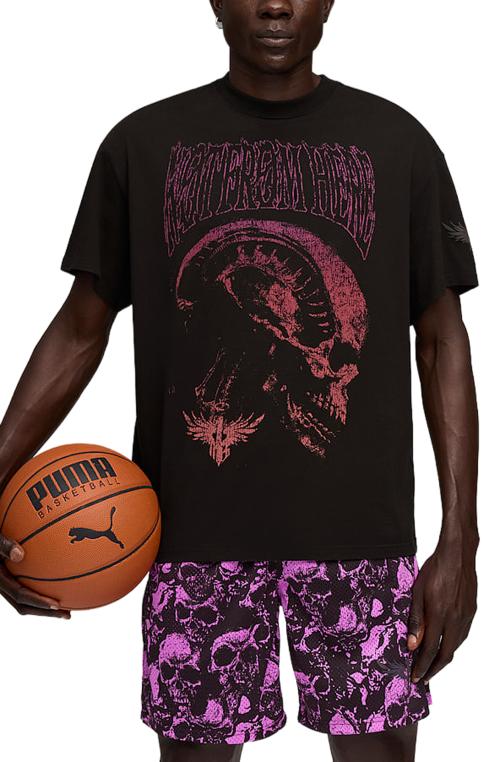
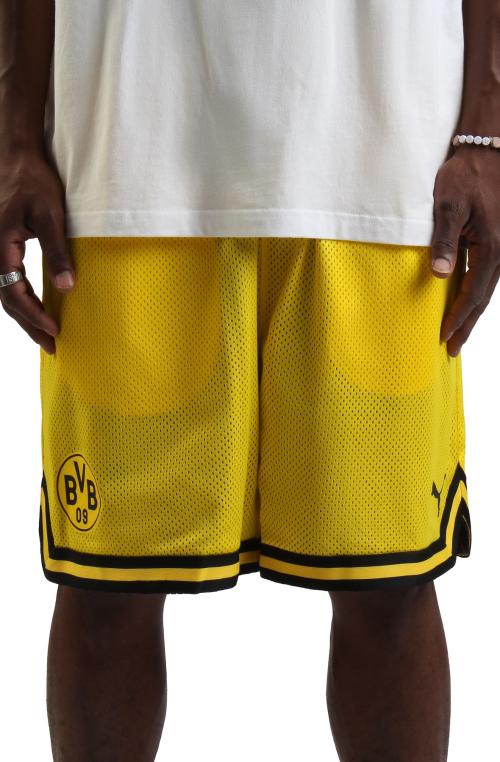
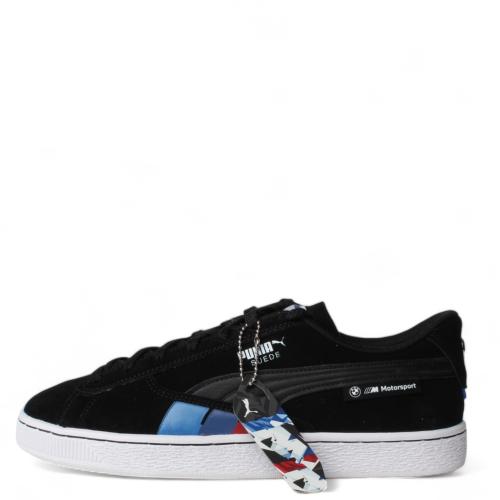
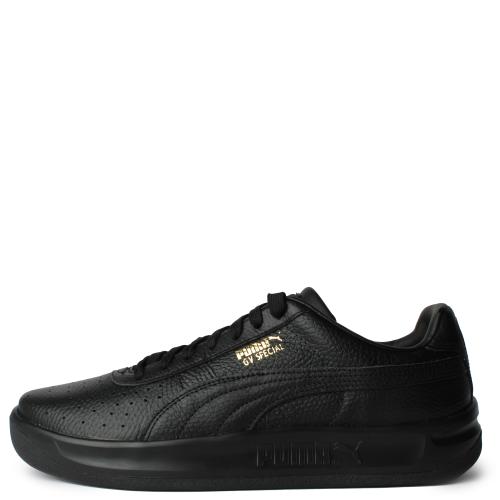
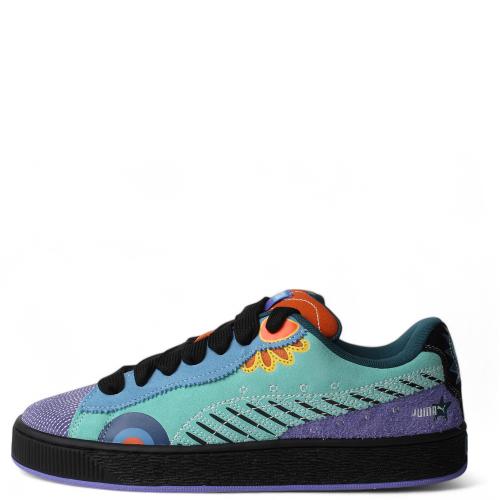
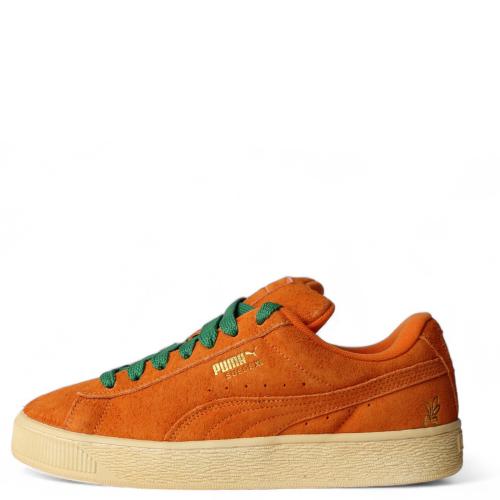
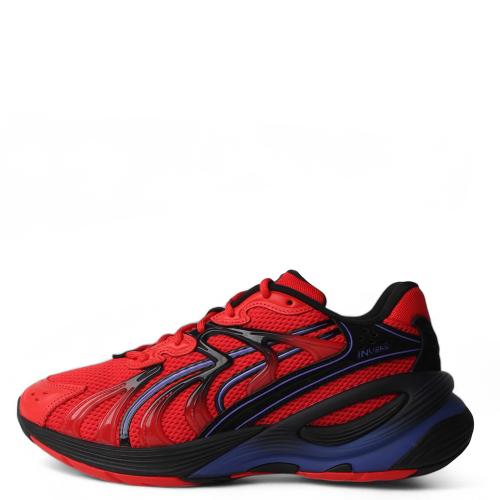
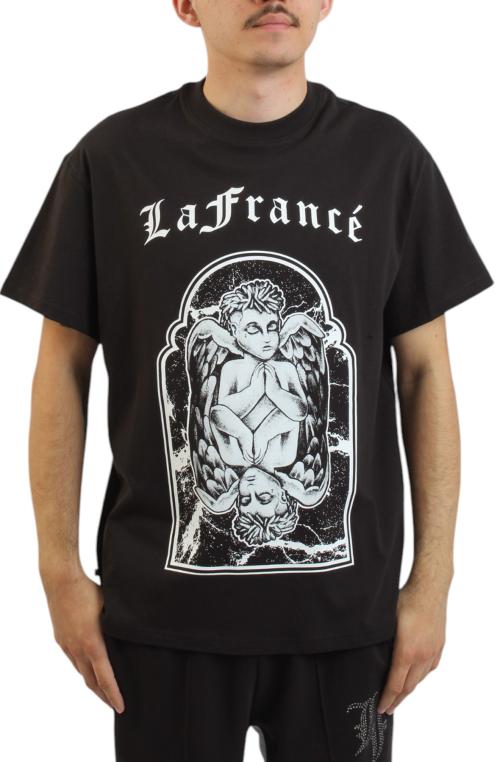
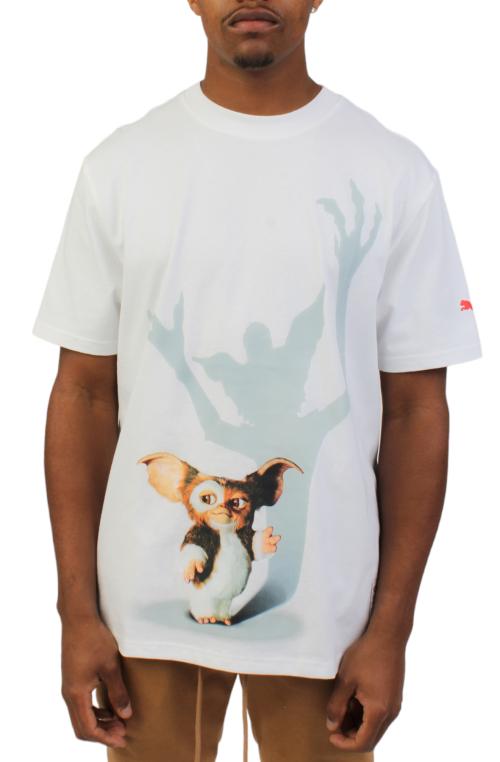
Sneakers are central to PUMA's identity, covering performance models, court-inspired shapes, retro runners and casual lifestyle pairs. T-shirts provide an easy entry point through logo graphics, relaxed cuts and sport-led designs. Shorts are another key category, with choices suited to workouts, warm-weather outfits and coordinated streetwear looks. Hoodies, track jackets and accessories complete the wider range.

Influence on urban fashion

PUMA has helped bring sports uniforms, training shoes and track styling into everyday fashion. Its archive offers designs connected to football terraces, running culture, basketball and 1990s street style. Fashion partnerships and creative campaigns have also allowed the brand to reinterpret its sporting heritage for contemporary sneaker and music-focused audiences.

PUMA today

PUMA remains relevant through a combination of technical sports products, revived archive silhouettes and modern lifestyle collections. Its sneakers continue to suit both performance needs and trend-led outfits, while T-shirts and shorts support relaxed urban dressing. This mix of heritage and current design keeps PUMA visible across sportswear, athleisure and global streetwear.


Frequently Asked Questions

Answer
PUMA was founded in 1948 by Rudolf Dassler in Herzogenaurach, Germany.

Answer
PUMA is best known for sports footwear, lifestyle sneakers, the Formstrip and athletic clothing.

Answer
Yes. PUMA offers sneakers, T-shirts, hoodies and track-inspired pieces commonly worn in streetwear outfits.

Answer
Popular categories include lifestyle sneakers, performance footwear, logo T-shirts, shorts and tracksuits.

Answer
Yes. Many PUMA shoes and apparel combine sports functionality with comfortable everyday styling.

Answer
No. My Urban Clothing curates affiliate products from trusted retailers and does not sell items directly.

Styles Associated With PUMA

Style Placeholder Image
Hip-Hop Fashion blends hip-hop culture, streetwear, sportswear, sneakers, graphics, and relaxed silhouettes into an expressive urban clothing style.
Popularity
98%
Style Placeholder Image
Streetwear is a casual urban style shaped by skateboarding, hip-hop, sneakers, sports, workwear, music, art, and everyday city culture.
Popularity
95%
Style Placeholder Image
Sneaker Fashion is an urban style built around sneakers as a key expression of personality, combining footwear with streetwear, casual, athletic, skate, and modern looks.
Popularity
95%
Style Placeholder Image
Urban Casual blends relaxed everyday clothing with streetwear, sportswear, and modern city influences for comfortable, versatile urban outfits.
Popularity
92%
Style Placeholder Image
Athleisure blends athletic performance wear with everyday urban fashion, combining comfort, sporty design, sneakers, and versatile casual apparel.
Popularity
92%
Style Placeholder Image
Sportswear blends athletic influence, comfort, sneakers, and performance-inspired clothing into a versatile urban style for everyday wear.
Popularity
92%
Style Placeholder Image
Vintage Fashion blends clothing and design influences from earlier eras with modern urban styling, creating nostalgic looks built around character, heritage, and individuality.
Popularity
91%
Style Placeholder Image
Y2K Fashion blends late-1990s and early-2000s influences with bold graphics, relaxed fits, denim, sneakers, sportswear, and futuristic details.
Popularity
88%
Style Placeholder Image
90s fashion blends relaxed silhouettes, graphic tees, denim, sneakers, sportswear, and layered looks inspired by the decade's urban culture.
Popularity
88%
Style Placeholder Image
Minimalist Urban Fashion combines clean silhouettes, neutral colors, subtle branding, and versatile essentials for a refined, understated citywear look.
Popularity
78%