History of Irregular Choice
Irregular Choice was founded by British designer Dan Sullivan in 1999. The footwear label developed around a clear alternative to conventional shoe design: expressive shapes, decorative finishes and an intentionally playful visual identity. Rather than following a restrained seasonal formula, the brand became associated with shoes that function as the focal point of an outfit. Its recognisable approach has helped it build a loyal audience among collectors and shoppers drawn to unconventional fashion.
Signature footwear style
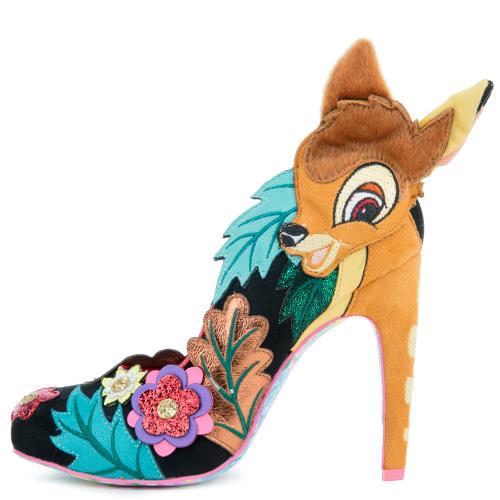
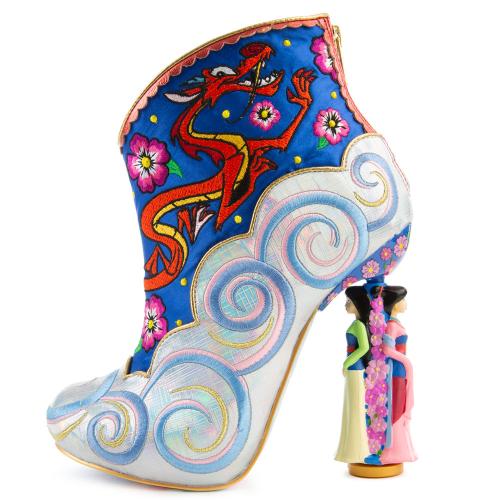
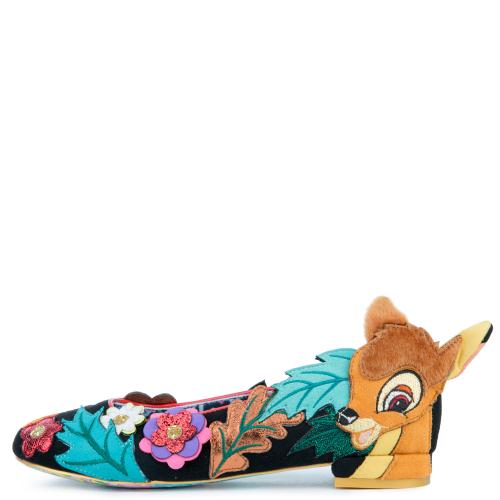
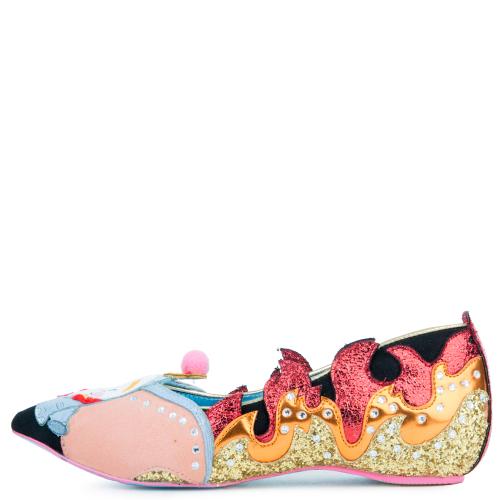
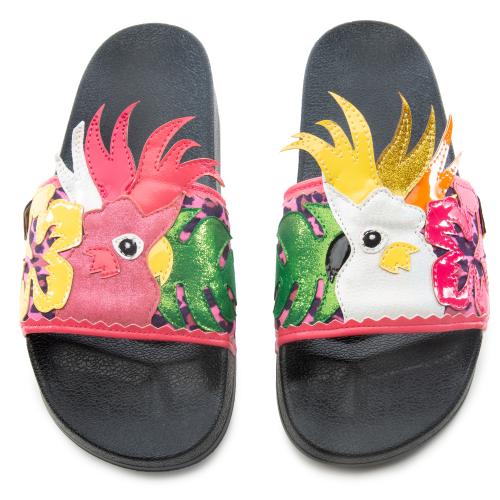
Irregular Choice designs often combine vivid colour, contrasting patterns, sculptural details and unexpected textures. Decorative heels, oversized embellishments, characterful motifs and vintage references are recurring parts of its aesthetic. The result can suit Y2K, punk, goth and retro-inspired wardrobes, although individual pairs range from relatively wearable to theatrical. Even simpler silhouettes typically feature a distinctive print, trim or colour combination.
Why shoppers choose the brand
The brand appeals to people who want footwear to express personality rather than quietly complete an outfit. Its designs can add colour to denim, dresses and urban casual looks or complement a fully maximalist ensemble. Shoppers also value the breadth of themes and finishes, which makes the range useful for special occasions, alternative styling and statement everyday wear. Fit and construction can vary by design, so checking the retailer’s product information is important before ordering.
Popular product categories
Flats offer an accessible introduction to the Irregular Choice aesthetic, balancing practical silhouettes with decorative uppers and bold patterns. Sandals bring the same playful approach to warm-weather styling. Boots provide more visual impact and work particularly well with punk, goth, vintage and festival-influenced outfits. Across these categories, colour and ornamentation remain central to the brand’s identity.
Influence and current relevance
Irregular Choice occupies a distinctive position between alternative fashion, collectible footwear and statement design. Its maximalist approach stands apart from minimalist sneaker culture while still fitting the urban preference for recognisable, outfit-defining pieces. Renewed interest in Y2K colour, nostalgic motifs and individual styling keeps the brand relevant. Explore the available selection to compare flats, sandals and boots from affiliate retailers.
Frequently Asked Questions
Answer
The brand is known for colourful statement footwear, unusual motifs, decorative details and imaginative heel designs.
Answer
British designer Dan Sullivan founded Irregular Choice in 1999.
Answer
It is primarily a footwear brand offering styles such as flats, sandals, boots and other statement shoes.
Answer
Fit can vary by design. Review the retailer’s size guide and product notes before choosing a size.
Answer
They work especially well with Y2K, vintage, punk, goth and other maximalist or alternative looks.
Answer
No. My Urban Clothing helps shoppers discover affiliate products available from third-party retailers.