Explore Akomplice, an independent streetwear label known for graphic-led apparel, cultural references and a distinctive creative identity. Browse T-shirts, hoodies and pants selected from trusted affiliate retailers.
Popularity
Akomplice is an independent streetwear label established in Colorado in 2004 by brothers Mike and Patrick Mariani. The brand developed during an era when graphic T-shirts, skate culture and hip-hop influences were helping independent labels reach wider audiences. Rather than following a purely seasonal fashion model, Akomplice built its identity around visual storytelling and apparel designed to communicate ideas. Its long-running presence has made it a recognizable name among shoppers who follow independent American streetwear.
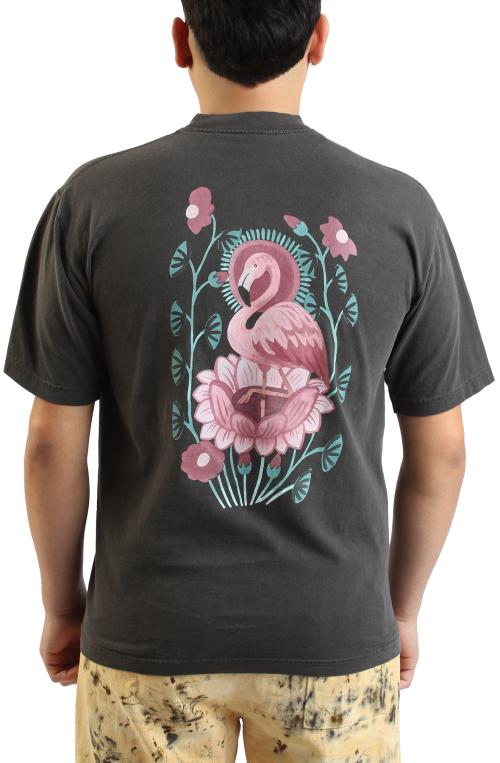
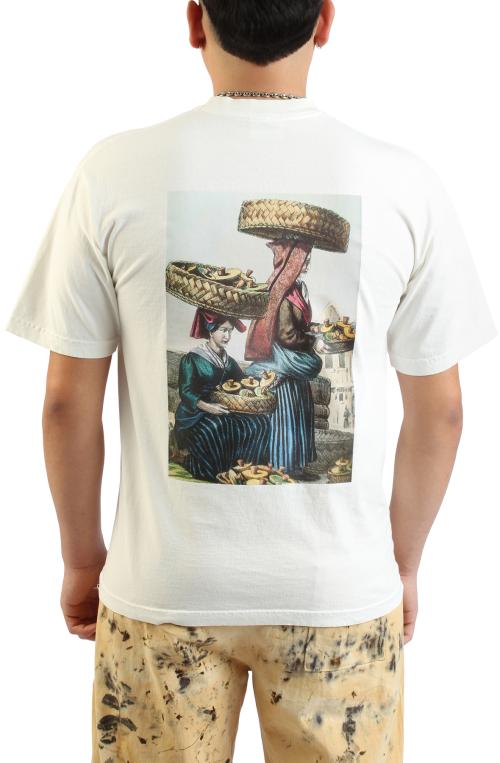
Graphic design sits at the center of the Akomplice aesthetic. The label is associated with illustrated prints, logo treatments, cultural references and messages that give everyday garments a distinctive point of view. Its clothing generally fits within streetwear, urban casual and skatewear wardrobes, pairing easily with sneakers, denim and layered outerwear. Some designs also reflect the bold visual energy linked to hip-hop and 1990s street fashion.
Akomplice appeals to people who want casual clothing with more personality than a basic blank garment. Its independent background and design-led approach offer an alternative to mass-market streetwear. Shoppers can find pieces suited to relaxed daily outfits while still making a clear graphic statement. The brand is especially relevant to collectors and enthusiasts who appreciate labels with an established history and a recognizable creative voice.
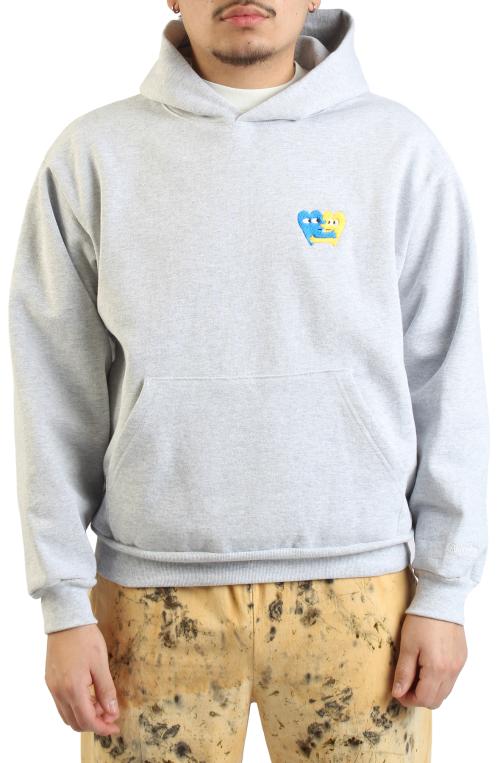
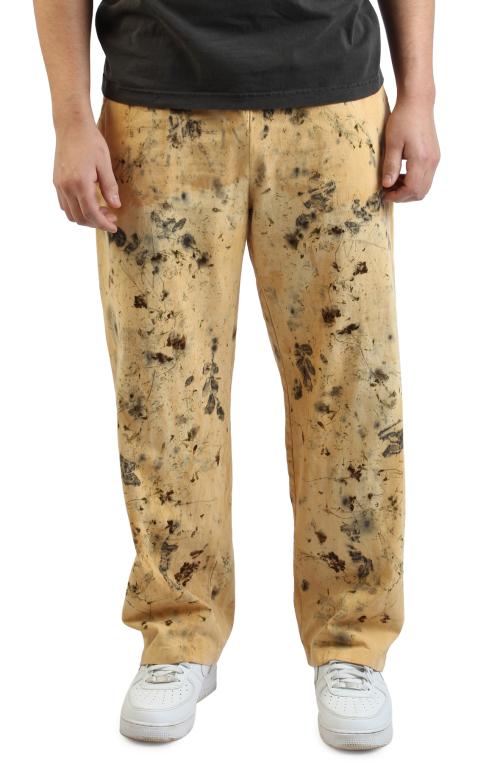
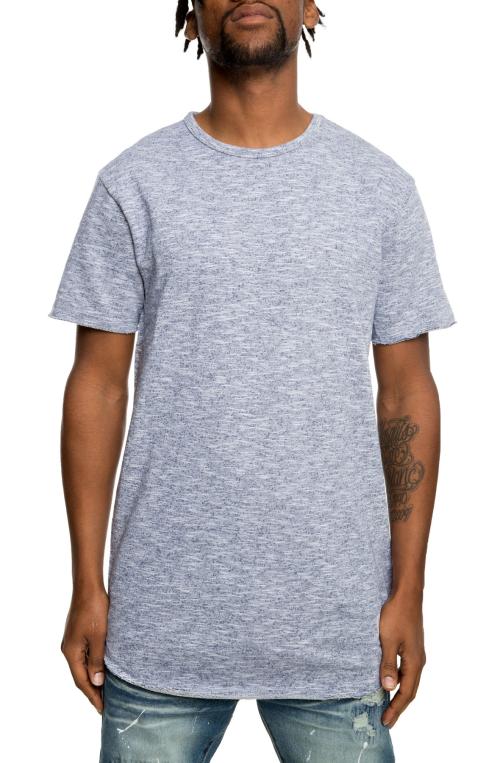
T-shirts are a natural entry point into the brand, often providing the clearest showcase for its artwork and messaging. Hoodies extend that graphic identity into warmer, layer-friendly pieces, while pants help create complete urban casual outfits. These categories can be combined with understated sneakers or accessories to let the apparel remain the focus.
Akomplice represents the independent side of urban fashion, where artwork, community and cultural commentary can be as important as logos or trends. Its history places it within the generation of streetwear brands that helped graphic apparel become a core part of modern casual dressing. Today, the label remains relevant to shoppers exploring established alternatives to larger names. Browse the available selection through My Urban Clothing to compare Akomplice pieces offered by trusted affiliate retailers.